Baniya: Crafting a Seamless Path to Financial Clarity

Baniya: Crafting a Seamless Path to Financial Clarity

Baniya: Crafting a Seamless Path to Financial Clarity

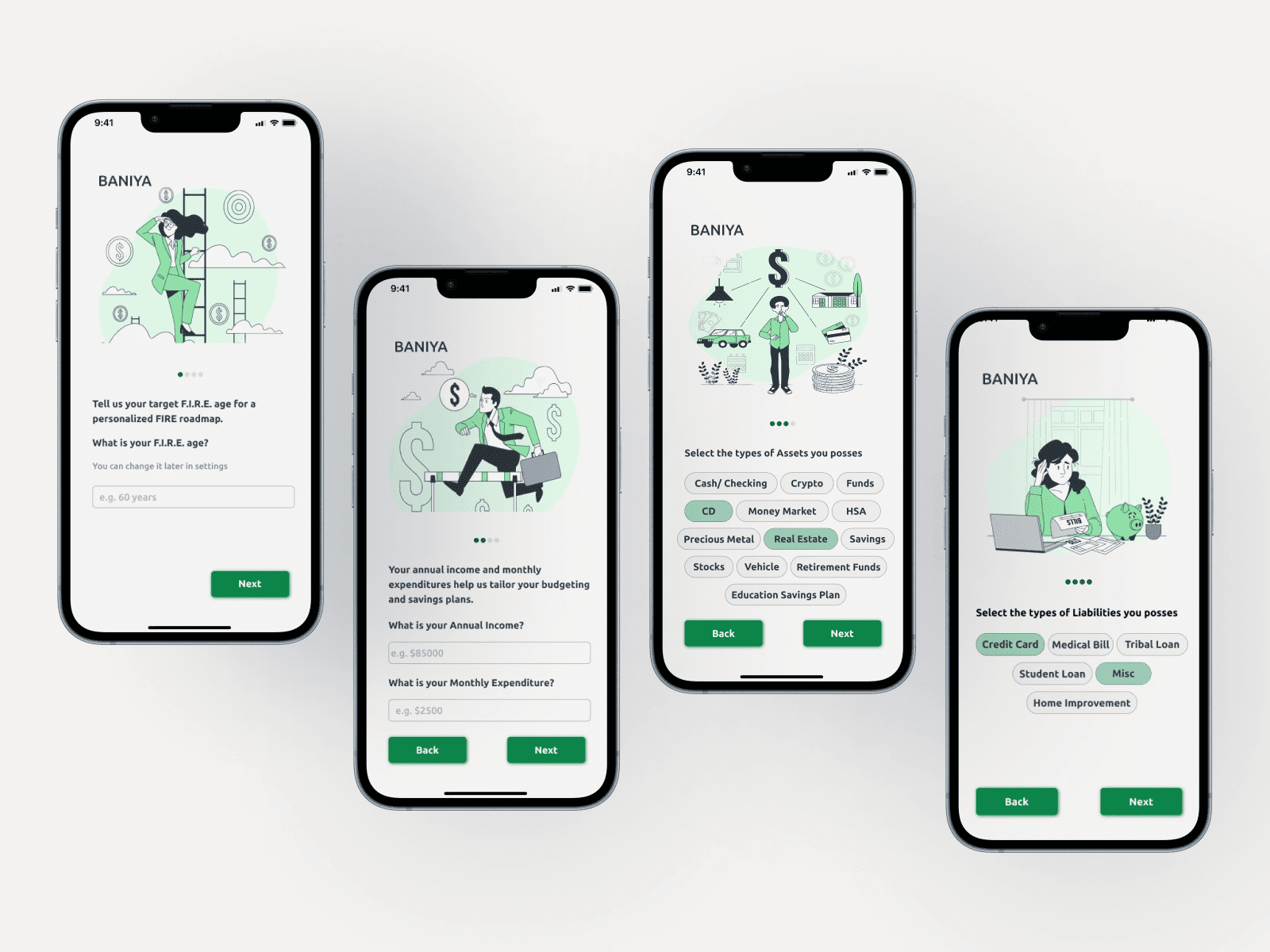
As a UX/UI Intern at Mobilize.it, I designed and refined the Future Expense feature for Baniya, an MVP-stage fintech app helping users plan for retirement by forecasting major life expenses and visualizing their long-term impact. Through user-centered design and rapid iteration, I translated complex financial data into an intuitive, actionable experience.
Headquarters

Headquarters

San Francisco, CA

Founded

Founded

2017

Industry

Industry

Engineering services/IT software

Revenue

Revenue

$1.5 million (2024)

Company size

Company size

8+

Challenge

Baniya users needed a way to track irregular, large financial events (like education or healthcare costs) without derailing their F.I.R.E. projections.

Results

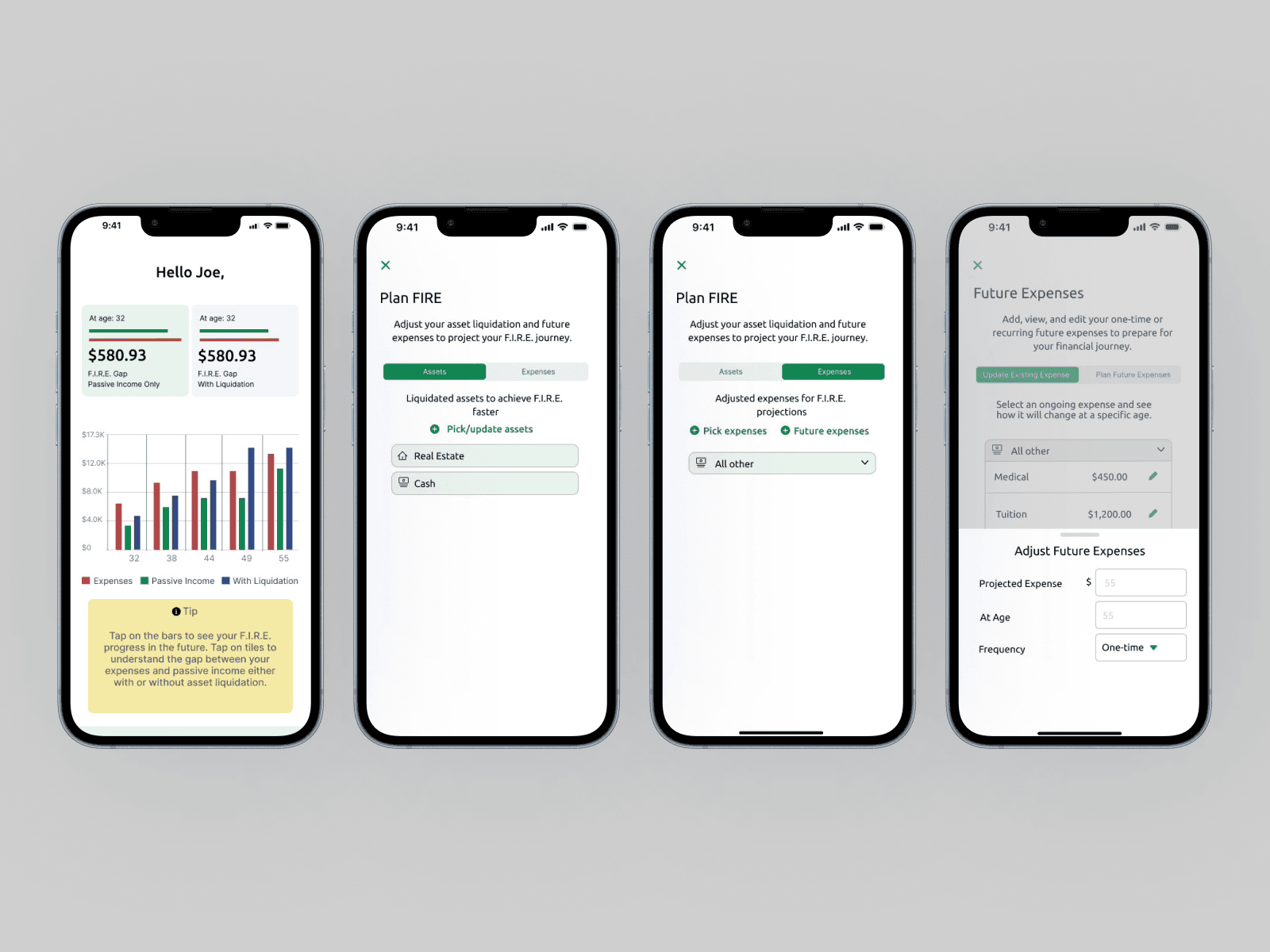
I designed the Future Expense feature, letting users add upcoming costs like housing or education. Integrated with their existing financial data, it provided clearer F.I.R.E. projections and boosted user engagement.
Understanding User Frustration

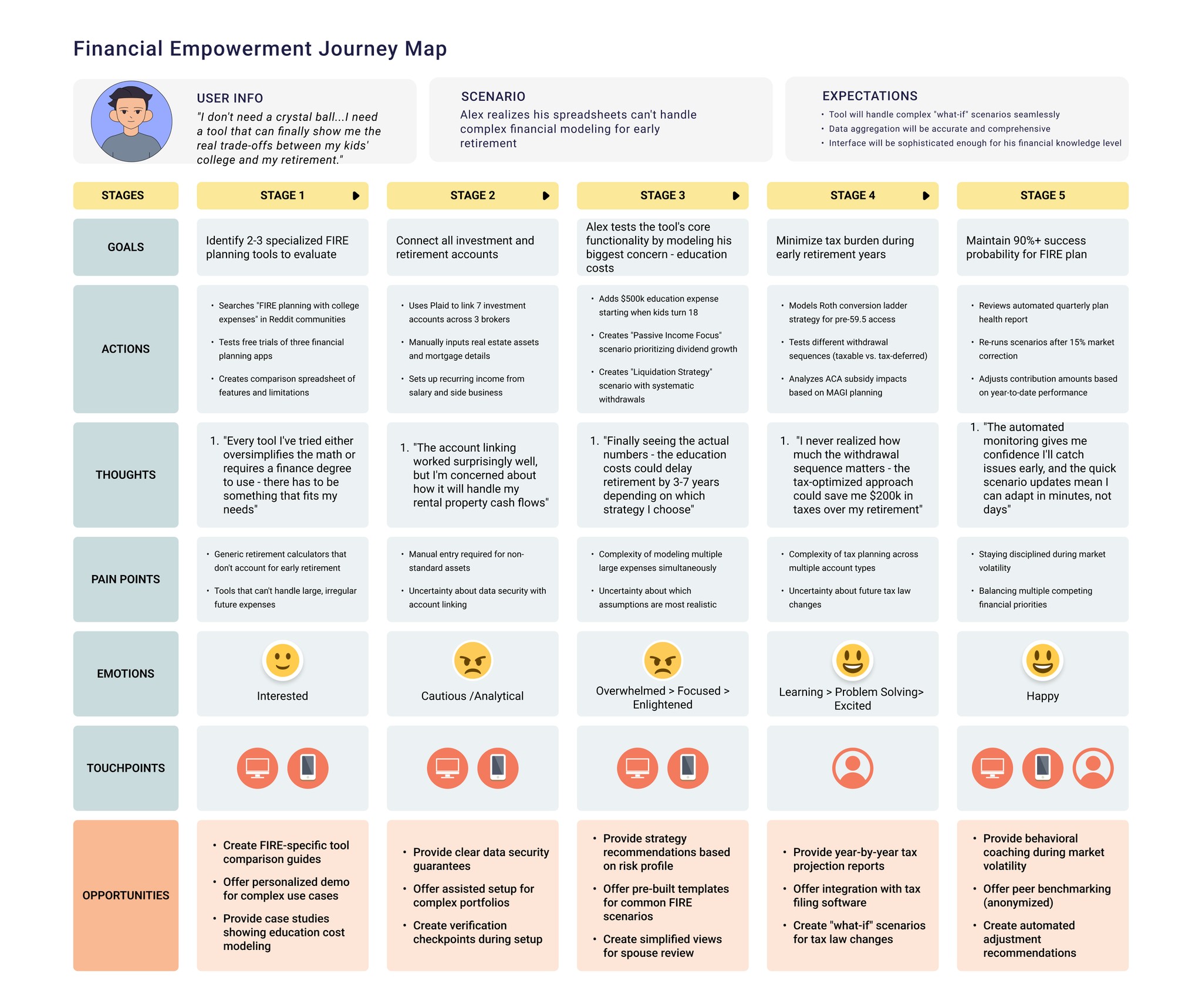
Baniya users needed a way to plan for large, irregular financial events—like education or healthcare costs—without derailing their F.I.R.E. projections. While most budgeting apps handle daily spending, they fail to answer the crucial “what happens if…?” question. Through interviews with users like Alex, a 41-year-old aiming to retire by 55 while covering his children’s $500,000 education costs, a clear pattern emerged: people felt secure in managing day-to-day finances but anxious about unpredictable, high-impact expenses.

As the sole UX designer, I researched user behavior, refined the experience strategy, designed an intuitive flow for forecasting future expenses, and validated it through usability testing—all to give users visibility, confidence, and control over life’s biggest financial moments.

Understanding User Frustration

Baniya users needed a way to plan for large, irregular financial events—like education or healthcare costs—without derailing their F.I.R.E. projections. While most budgeting apps handle daily spending, they fail to answer the crucial “what happens if…?” question. Through interviews with users like Alex, a 41-year-old aiming to retire by 55 while covering his children’s $500,000 education costs, a clear pattern emerged: people felt secure in managing day-to-day finances but anxious about unpredictable, high-impact expenses.

As the sole UX designer, I researched user behavior, refined the experience strategy, designed an intuitive flow for forecasting future expenses, and validated it through usability testing—all to give users visibility, confidence, and control over life’s biggest financial moments.

Understanding User Frustration

Baniya users needed a way to plan for large, irregular financial events—like education or healthcare costs—without derailing their F.I.R.E. projections. While most budgeting apps handle daily spending, they fail to answer the crucial “what happens if…?” question. Through interviews with users like Alex, a 41-year-old aiming to retire by 55 while covering his children’s $500,000 education costs, a clear pattern emerged: people felt secure in managing day-to-day finances but anxious about unpredictable, high-impact expenses.

As the sole UX designer, I researched user behavior, refined the experience strategy, designed an intuitive flow for forecasting future expenses, and validated it through usability testing—all to give users visibility, confidence, and control over life’s biggest financial moments.


Designing Clarity

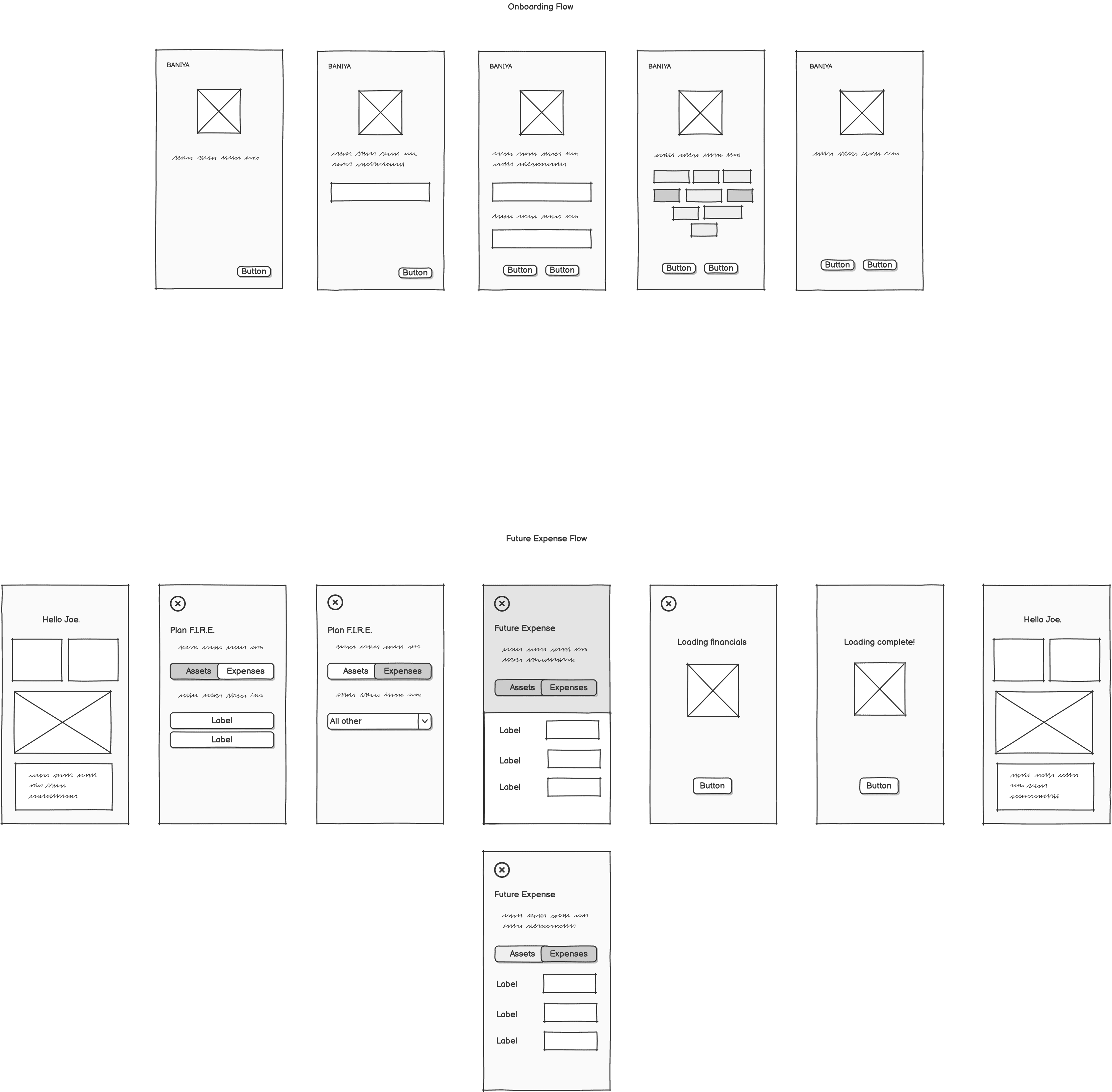
To help users tackle one-time, irregular expenses without derailing their day-to-day budget, I designed a simple, intuitive screen flow that lets them schedule, track, and visualize upcoming payments. From adding an expense to seeing its ripple effect on their overall budget, the experience guides users step-by-step—turning what was once stressful guesswork into proactive, transparent, and even satisfying financial planning.

Putting it to the Test

Once the prototype was ready, I conducted usability tests with five early adopters from the FIRE community. The goal was simple: see if users could confidently plan future expenses without getting lost in the flow or second-guessing their data.

Early feedback revealed what I hoped—and what I didn’t. Users loved seeing the projected impact of upcoming costs on their FIRE timeline, describing it as “the first time I actually understand how one expense changes my future.”

35%

interacted with new feature within first month

25%

Increase in user retention

90%

of users could project their future expenses

Key Learnings

Working on a live product with real users sharpened my design thinking and taught me to solve problems strategically under tight timelines. Most importantly, it strengthened my collaboration with product, engineering, and development teams—skills I’ll carry into every future project.

Pushing the Design Forward

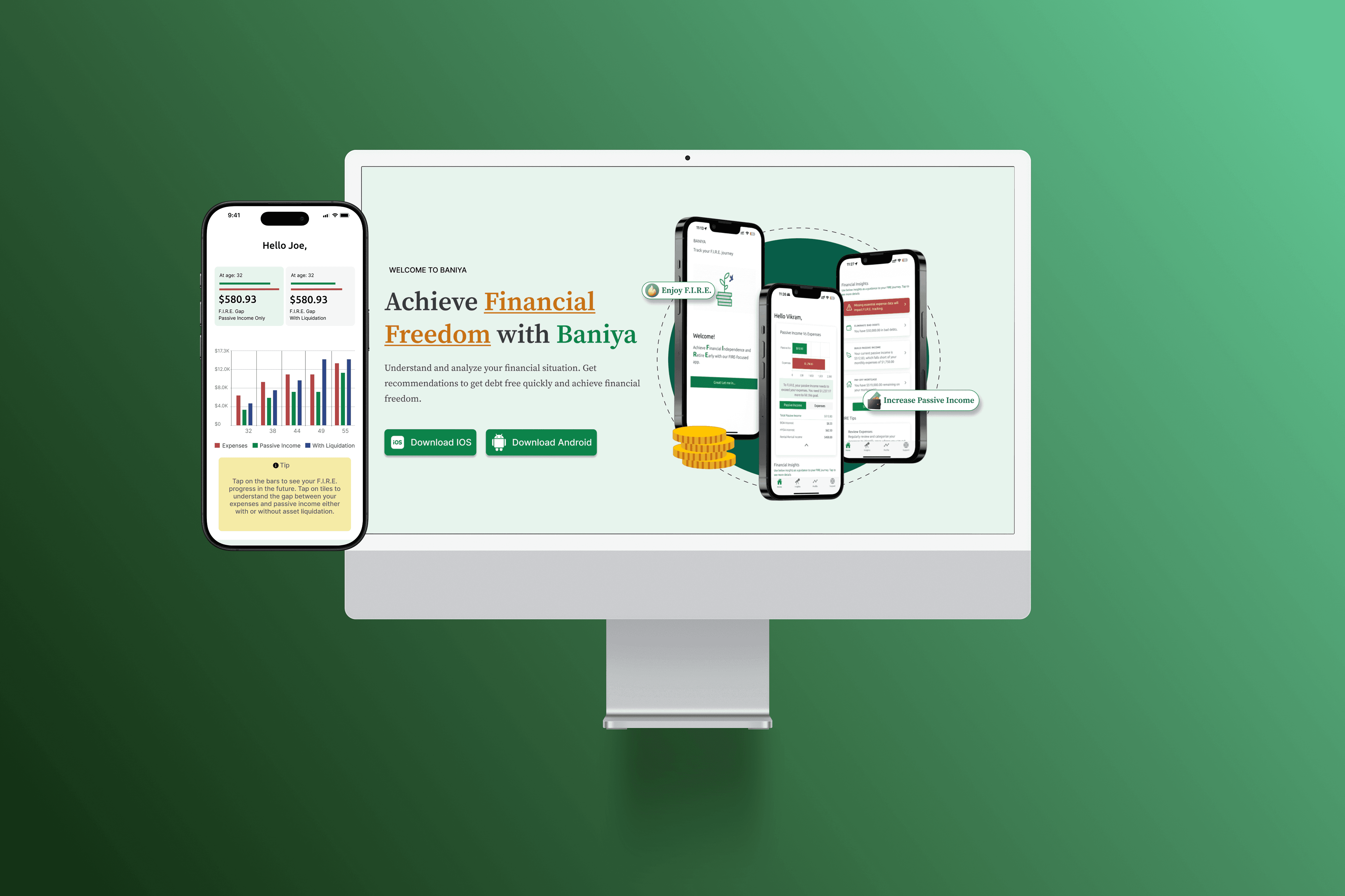
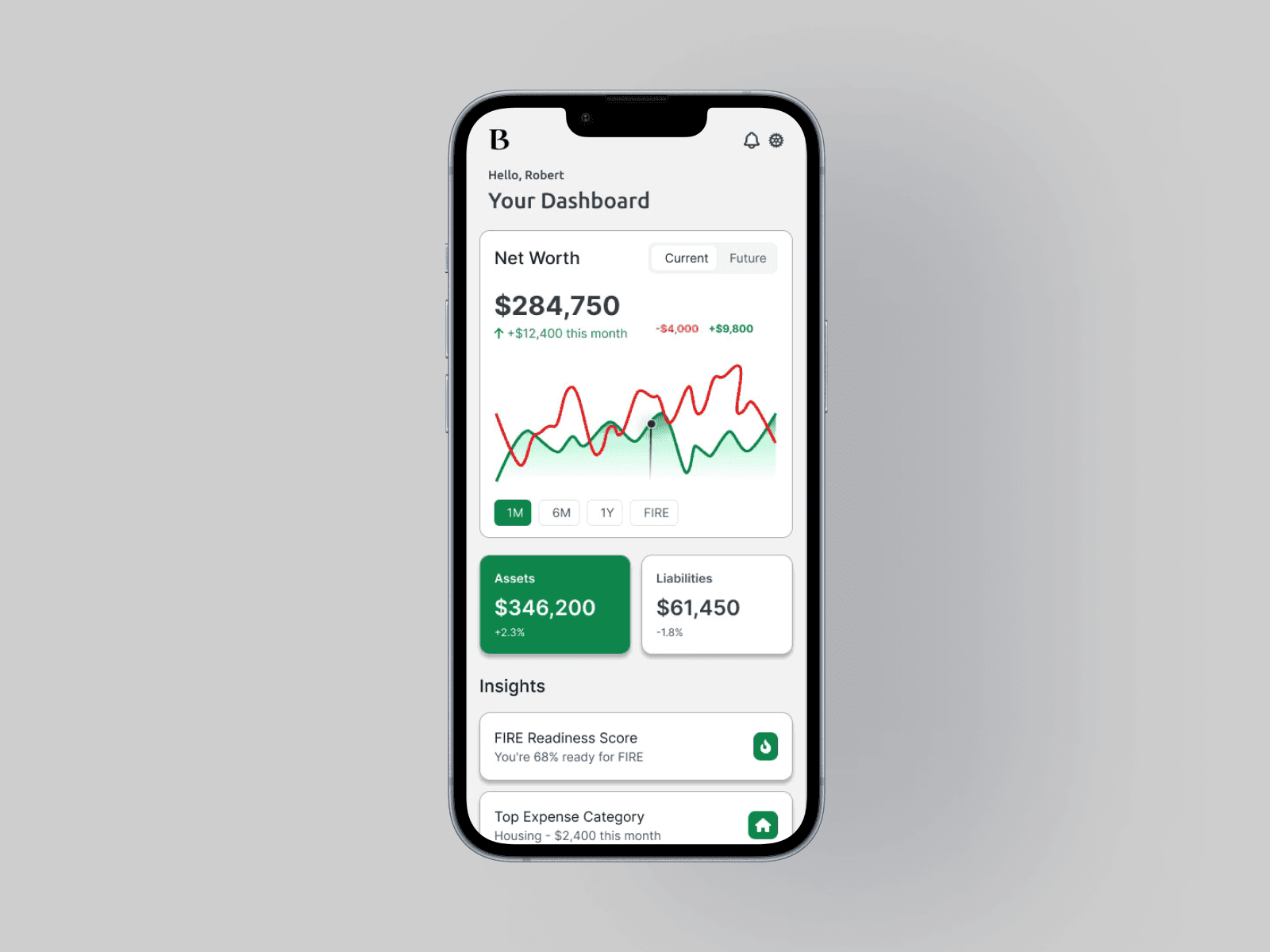
After refining the Future Expense feature, I revisited the app’s overall look and feel through the lens of user feedback. Testers loved the functionality but shared that the interface still felt dense and data-heavy—making it harder to focus on what mattered most.

I saw an opportunity to simplify. By reworking the layout, typography, and visual hierarchy, I aimed to create a cleaner, more intuitive interface that brought key insights to the surface without overwhelming users. This redesign emphasized clarity and calm—turning complex financial data into something approachable, navigable, and visually cohesive.

For me, this was about more than pixels. It was about transforming user feedback into meaningful design evolution and proving that thoughtful refinement is as impactful as innovation.
Let’s create impactful
experiences together.

Schedule a call with Connor M. .

Let’s create impactful experiences together.

Schedule a call with Connor M. .

Let’s create impactful
experiences together.

Schedule a call with Connor M. .